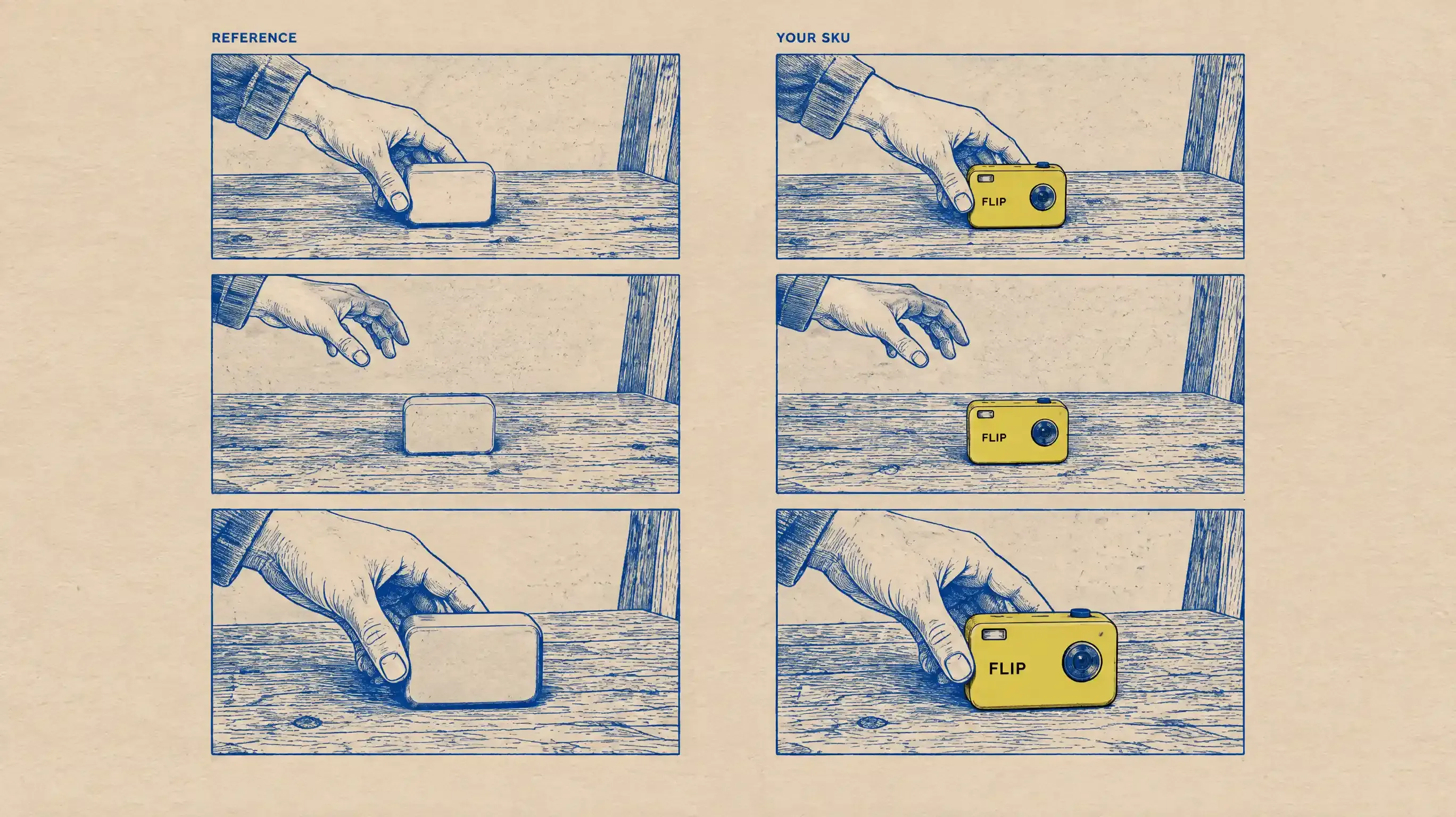
MiniMax has formally open-sourced MiniMax H3, its general-purpose multimodal video system — better known to many creators through the Hailuo product line. The release matters less as another “new model dropped” headline, and more as a shift in how commercial-grade audiovisual generation gets distributed: hosted APIs for the full stack, downloadable weights for the core generator, and a clearer split between what you can self-host today versus what still lives behind official services.
This post summarizes the open release in plain language, cross-checked against MiniMax’s technical announcement and the public Hugging Face model materials, with a focus on what changes for creative production and product integration.

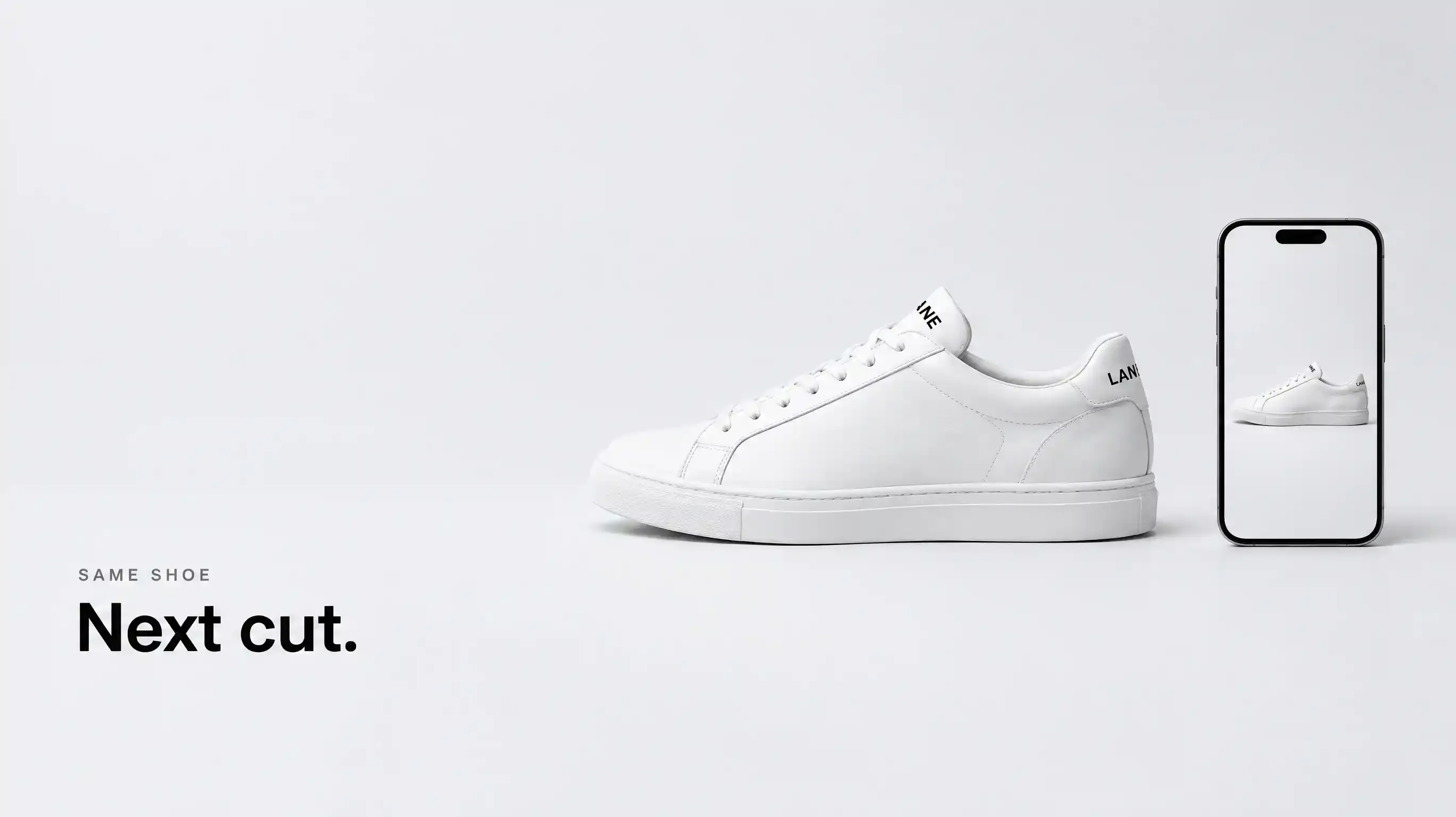
MiniMax H3 launch visual — official MiniMax materials
The short version
MiniMax H3 is an omni-modal generator: it understands text, images, video, and audio as one context, then produces video with native stereo audio in a single system — not a silent clip that needs a separate soundtrack pass.
Key output envelope from the official materials:
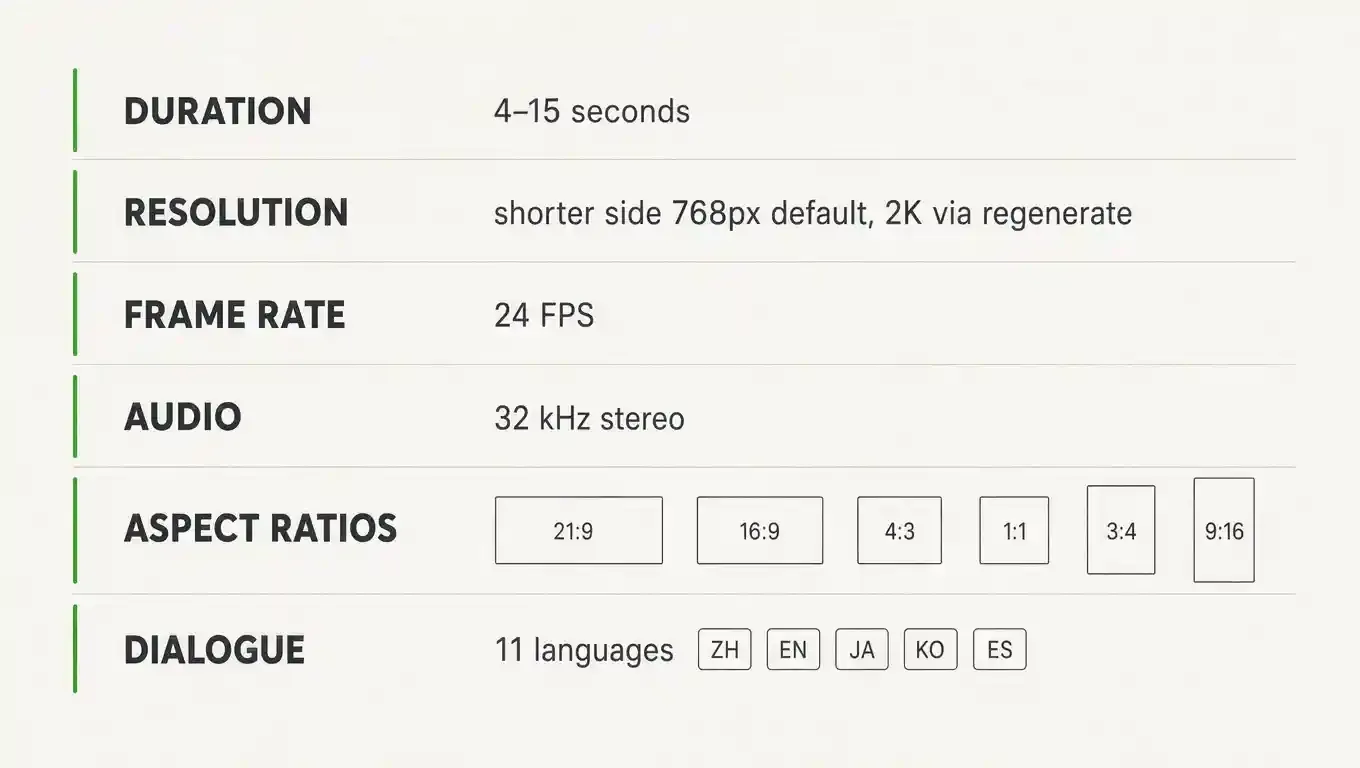
If you only remember one product fact: H3 is built for controlled multimodal generation — reference-heavy commercials, identity-locked edits, first/last-frame storytelling — not only text-to-video demos.
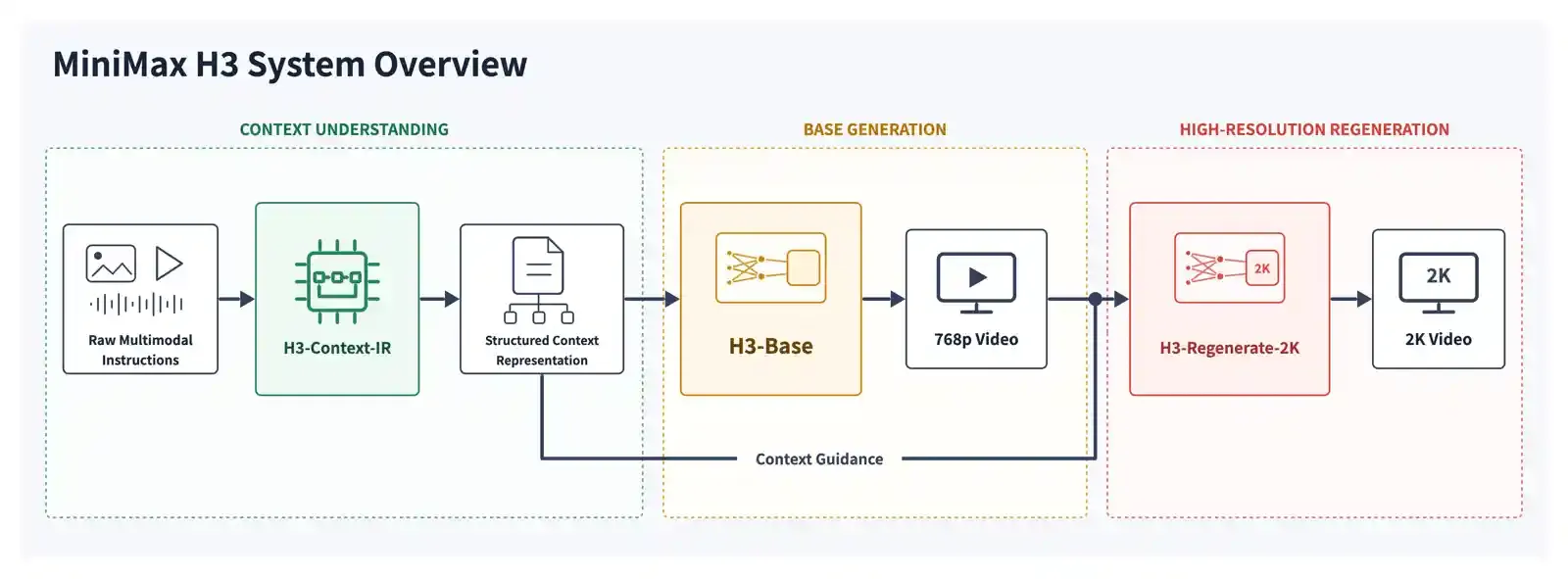
System overview: Context-IR → H3-Base → Regenerate-2K (source: Hugging Face MiniMax-H3 model card)
What “open source” means here (and what it does not)
H3 is not a single file you download and suddenly own the entire product experience. Officially, the full system has three layers:
H3-Context-IR — a hosted preprocessing / orchestration layer that turns messy multimodal briefs into a structured intermediate representation the generator can follow
H3-Base — the core audiovisual generator (768p-class output)
H3-Regenerate-2K — an in-context high-resolution regeneration pass that reuses the base result and the original multimodal context
In this release:
H3-Base weights are open (task-specific checkpoints on Hugging Face)
H3-Context-IR is not open — MiniMax provides an API (and prompt guides if you want to build your own preprocessor)
H3-Regenerate-2K is not open yet — API available now; MiniMax says the module will follow once packaging work is ready
Sparse-attention inference is designed into the system but not included in the first open release (full attention only for now)
That distinction is the real story. Opening the base model lowers the barrier for self-hosting, fine-tuning, and private deployment. Reaching “official 2K product quality” still means understanding the Context-IR → Base → Regenerate-2K path — or using a hosted product that already wires those stages together.
Two open checkpoints, two production jobs
MiniMax shipped H3-Base as two CFG-distilled task checkpoints, each bundled with processor, tokenizer, text encoder, Omni Transformer, Visual VAE, and Audio VAE:
H3-Base-FL2VA
First / last frame oriented workflows:
no image → text-to-audiovisual
one image → first-frame or last-frame conditioned generation
two images → first-and-last-frame generation
This is the natural lane for story beats with locked keyframes.
H3-Base-Ref2VA
Omni-reference workflows:
up to 9 images
up to 3 video clips (each 2–15s; total ≤15s)
up to 3 audio clips (must accompany image/video; same duration rules)
mixed inputs capped at 12 files total
This is the lane for identity retention, motion/voice transfer, and composite commercial edits — the kinds of jobs where “prompt only” usually fails.
Official deployment recipes point to SGLang, vLLM, Diffusers, and ComfyUI, with multi-GPU serving examples for both variants.
Architecture highlights worth caring about
You do not need the full research paper to use H3, but a few design choices explain the product behavior:
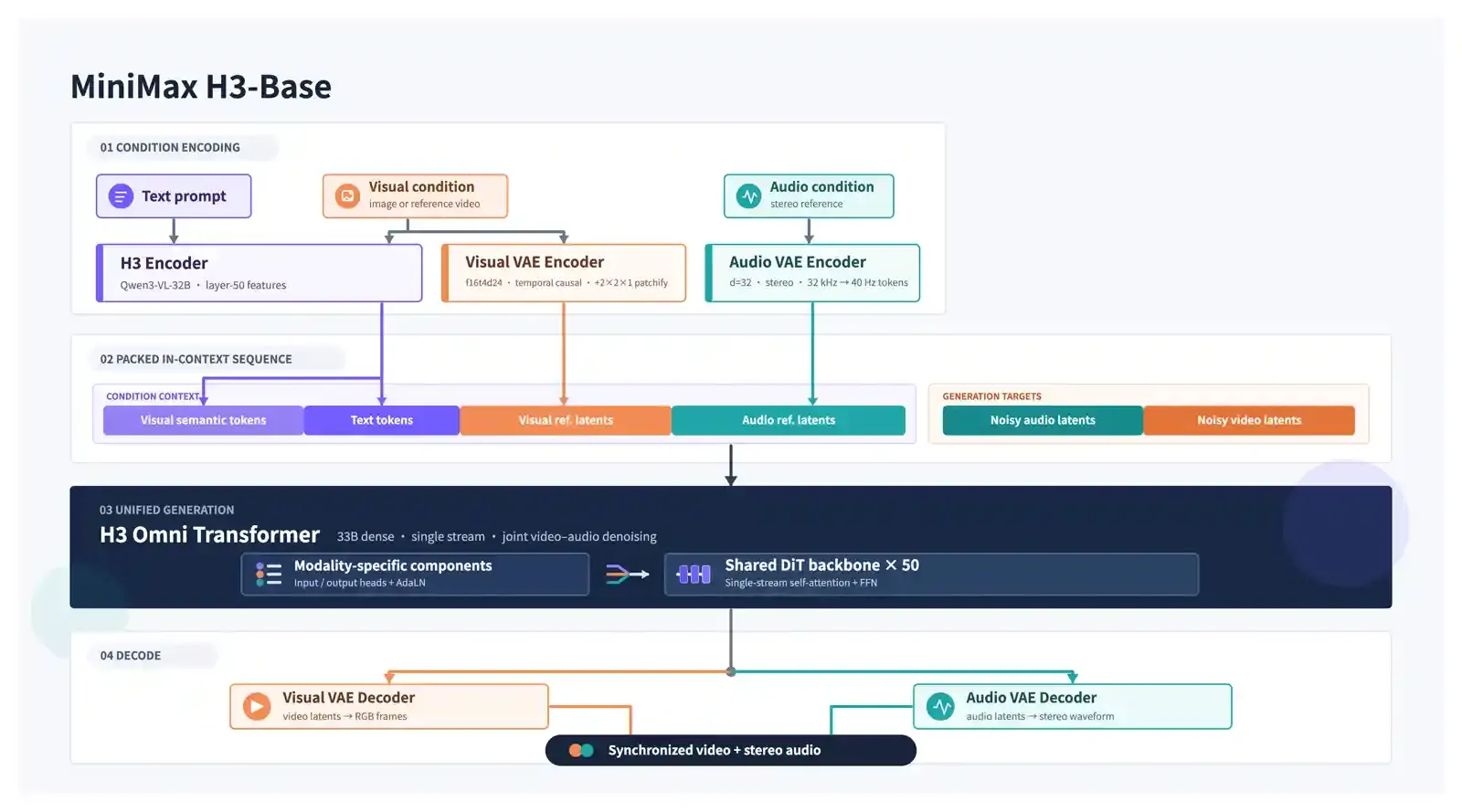
H3-Base architecture overview — Encoder / VAE / Omni-Transformer (source: Hugging Face MiniMax-H3)
Unified packed multimodal sequence — text, vision, and audio tokens share one transformer stream rather than bolted-on modality silos
H3-Encoder — built from full Qwen3-VL-32B pretrained weights; hidden states from layer 50 feed the generator
H3-VisualVAE — temporally causal video autoencoder (f16t4d24), then additional patchify before the transformer
H3-AudioVAE — left/right channels handled independently, then recombined for true stereo I/O (32 kHz → 40 Hz latent tokens per channel)
H3-Omni-Transformer — a 33B dense single-stream model; roughly 13B parameters sit in AdaLN-related branches that can be skipped for inference-only loads because modulation can be cached
MM-RoPE — 3D rotary embeddings over (time, height, width)
The 2K path is also deliberate: MiniMax did not ship a classic bolt-on upscaler. Regenerate-2K asks the model to regenerate from its own 768p result in context, so fine details (small text, product marks, micro textures) can pull from original references instead of being hallucinated by a separate SR network.
Why this release is interesting for commercial creative work
Closed video models already make strong clips. The H3 open release changes the surrounding economics and control surface:
For creative teams
Native audiovisual output plus reference control is a better fit for ads, product demos, character continuity, and short cinematic inserts than “pretty silent video + stock music.”
For platform and tool builders
Open base weights enable private deployment, custom fine-tunes, and workflow embedding — while Context-IR / 2K APIs remain available when you want official end-to-end quality without rebuilding the whole stack.
For researchers and infra teams
A documented Base + API hybrid workflow is easier to validate than a black-box demo. MiniMax published reproducible T2VA / FL2VA / Ref2VA cases for 768p local runs and full 2K pipelines.
Official MiniMax H3 capability / showcase collage (source: minimax.io blog)
Example outputs across commercial lanes
These are the matching video clips from Topview’s MiniMax H3 showcase — same three commercial lanes as before, now as MP4 instead of still posters.
These are the matching video files from the Topview MiniMax H3 showcase (same clips as the previous still posters). Feishu cannot natively autoplay raw CDN MP4s in-doc via API, so use the direct links:
Brand commercial —
Fantasy action —
Post-apocalyptic drama —
License and access notes
Weights are released under the MiniMax H3 Community License. As with other community licenses in this category, teams should read the final terms carefully before commercial self-hosting — especially revenue thresholds, attribution, and restricted-use clauses. Hosted API / app access remains available through MiniMax’s open platform and Hailuo / MiniMax Hub surfaces.
Safety filtering applies to user text, media, and enhanced prompts on the official systems; local deployments still inherit your own compliance obligations under the license.
How to try H3 today
You have three practical paths:
Hosted product experience — generate through creator platforms that already expose MiniMax H3 (including Topview’s MiniMax H3 workflow) when you want multimodal references and native AV without standing up GPUs
Official APIs — Context-IR, base generation, and Regenerate-2K for production-grade 2K pipelines
Local H3-Base — download checkpoints from Hugging Face (MiniMaxAI/MiniMax-H3) and serve via SGLang / vLLM / Diffusers / ComfyUI for 768p validation, fine-tuning, or private infra
Official resources:
Model hub: https://huggingface.co/MiniMaxAI/MiniMax-H3
Prompt guides in the model docs (base + reference modes)
Contact for model questions: model@minimax.io
Bottom line
MiniMax H3’s open release is not “every button in Hailuo is now a free download.” It is something more useful for the industry: a serious audiovisual base model you can inspect and deploy, paired with a still-hosted instruction and 2K regeneration stack that protects end-to-end quality.
If you make commercials, short cinematic beats, or reference-locked edits, the question is no longer whether open-weight video exists. It is whether your workflow wants hosted convenience, private Base control, or a hybrid that uses both.